您现在的位置是:聚焦 >>正文
Japan's political path worrisome for Asia
聚焦73人已围观
简介This photo shows the Tokyo Tower and the city view in Tokyo, Japan, Nov 17, 2025. [Photo/Xinhua]For ...
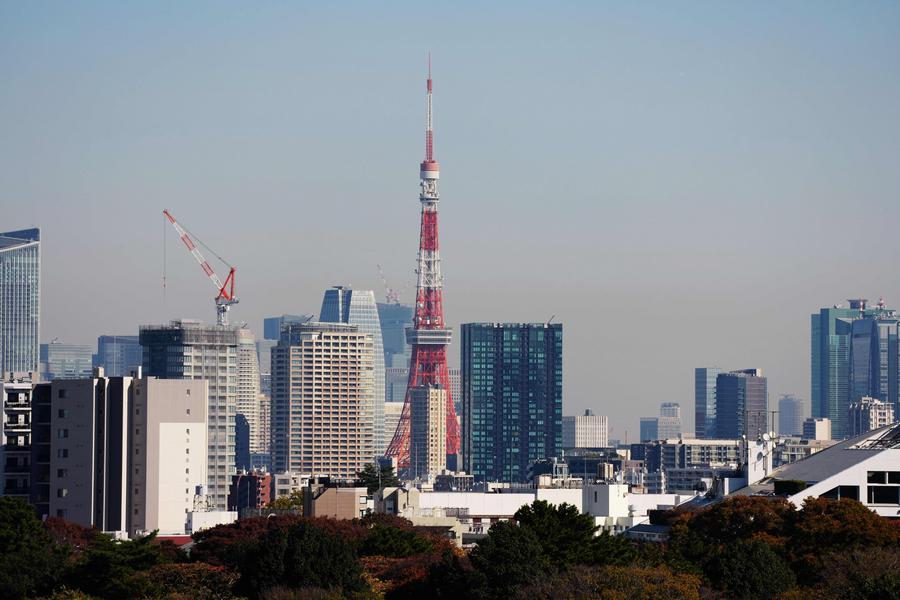
This photo shows the Tokyo Tower and the city view in Tokyo, Japan, Nov 17, 2025. [Photo/Xinhua]
For most people in Africa, Japan is synonymous with cutting-edge technology, economic prowess and social harmony. But in East Asia, which bears deep historical wounds inflicted by Japan, the country's right-leaning political shifts in recent years have triggered alarm.
To fully comprehend these regional apprehensions, one must reflect on the enduring historical lessons that continue to define regional geopolitics.
The regional anxieties over Japan's current trajectory stem from a legitimate historical fear across Asia: that neglecting and distorting wartime lessons might embolden Japan to reverse its postwar pacifist course and repeat past mistakes and crimes.
From the late 19th century until Japan's unconditional surrender in 1945, Japan emerged as the most aggressive imperialist and militarist power in modern Asia, waging unprovoked wars of aggression and occupying vast territories across China, the Korean Peninsula and Southeast Asia.
Japan's military expansion killed tens of millions and caused unprecedented humanitarian catastrophes across the region. The bitter memories of invasion and colonial oppression remain deeply entrenched in the national consciousness of Asian countries, especially China.
After Japan's defeat in 1945, the Allied powers instituted the Tokyo Trials, a landmark judicial proceeding that held Japanese wartime leaders accountable for their aggression and crimes against humanity.
The trials established a cornerstone of the postwar international order in East Asia, enshrining the principle that wars of conquest and colonial domination are illegal and unjust under international law.
Eighty years later, the verdict and lessons of the Tokyo Trials remain essential for preserving regional peace and deterring a militaristic revival.
Today's regional concerns are fueled by Japan's sustained and troubling political shift. Prime Minister Sanae Takaichi and her conservative supporters have vigorously pushed for constitutional revision, with a focused attempt to dismantle and rewrite Article 9 of Japan's Constitution.
As the foundational pillar of Japan's postwar pacifist identity, Article 9 explicitly renounces war and the use of force as a tool of national policy.
Attempts to revise, reinterpret, and hollow out this pacifist provision have triggered widespread skepticism and opposition across East Asia, as they challenge the postwar security framework of the region.
Alongside constitutional changes, Japan has sharply increased its military budget, expanded the operational scope of its Self-Defense Forces, relaxed arms export prohibitions, and deepened military alliances with the United States, Australia, and the Philippines.
While some Japanese politicians justify these moves as responses to security challenges, many observers in the region remain unconvinced by such arguments. These unilateral military advancements signal a creeping remilitarization, posing tangible risks to regional strategic balance.
China's assessment of Japan's strategic shifts is grounded in undeniable historical facts and shared regional trauma.
Chinese officials and historians have long highlighted that Japan has never fully come to terms with its wartime past. Certain Japanese political forces continue to downplay, whitewash, and distort the brutal wartime atrocities committed during Japan's imperial expansion era.
This refusal to sincerely reflect on wartime crimes is why China and other regional nations remain vigilant against Japan's growing military ambitions.
These concerns extend beyond military capabilities, carrying significant political and historical symbolism.
In East Asia, historical memory is not merely an academic subject; it is a pressing political and security issue affecting regional stability. Policy tweaks that seem trivial to outsiders often represent serious historical retrogression for countries that suffered under colonial occupation and wartime aggression.
African readers can relate to this regional dispute from the perspective of the global international order. China stands as the staunch defender of the 1945 postwar international framework established after the victory over fascism and militarism.
Chinese leaders have repeatedly emphasized that safeguarding the outcomes of World War II is crucial to upholding global justice and preventing the resurgence of aggressive militarism and extremist nationalism.
From China's perspective, any attempt to undermine the authoritative legacy of the Tokyo Trials and normalize Japan's military expansion essentially negates the victory of the World Anti-Fascist War and erodes the foundation of the postwar international order.
Faced with widespread criticism, Japanese authorities have denied the risk of militarist revival and offered self-serving excuses for the policy shifts. They claim to uphold peace, democracy and international law, and portray their military build-up as a rational response to regional tensions.
These assertions deliberately disconnect the current policies from the historical context, attempting to shake off historical restraints and whitewash Japan's military expansion agenda.
This divergence in the historical outlook is the root cause of escalating Sino-Japanese tensions. Both sides claim to pursue regional peace, but their starting points are vastly different.
China's vigilance against the revival of militarism is a solemn historical responsibility and a just commitment to regional peace. In contrast, Japan's continuous military strengthening and constitutional revisions serve its strategic goal of breaking free from postwar institutional constraints and pursuing the status of a full military power.
Africans can easily resonate with this historical logic based on the continent's own colonial experience. Across Africa, the legacy of colonial injustice continues to shape national identity and diplomatic perceptions. Former colonial powers are judged not only by current actions but by their sincerity in acknowledging and redressing historical wrongs.
Similarly, East Asia's geopolitical landscape is permanently shaped by collective memories of Japanese aggression, occupation and national resistance.
As Asia marks eight decades since the end of World War II, regional debates over Japan's future strategic role will continue to intensify. The prospect of regional cooperation versus intensified tensions hinges entirely on whether Japan can sincerely confront its wartime history, abandon historical revisionism, and faithfully abide by its pacifist commitments and the postwar international order.
The author is a Pan-Africanist political commentator based in Gweru, Zimbabwe.
Tags:
相关文章
中国轻工业联合会声明:从未批准成立“中食办”
聚焦在电商平台上,多款普通食品利用第三方机构出具的各类“证书”宣传特殊功效。据媒体报道,一家名为“中国安全食品培优孵化系统工程办公室”简称“中食办”)的机构,持续为这类食品背书。按照“中食办”官网介绍,这 ...
【聚焦】
阅读更多理响中国·聚焦2026中国经济丨实现较快增长!一图解读前四月工业企业利润数据
聚焦国家统计局发布数据显示,1-4月份,全国规模以上工业企业利润同比增长18.2%。其中,4月份全国规模以上工业企业利润同比增长24.7%,工业企业效益持续改善,呈现出增速加快、结构优化、质量改善的特点。 ...
【聚焦】
阅读更多好评中国|清凉经济点燃夏日消费热潮
聚焦夏季已至,气温节节攀升,清凉消费顺势升温,催生出活力奔涌的清凉经济。清凉经济以多元业态串联起消费链条,将“凉资源”转化为“热动力”,成为激活夏日消费、提振经济活力的重要引擎。清凉经济的崛起,是消费需求 ...
【聚焦】
阅读更多